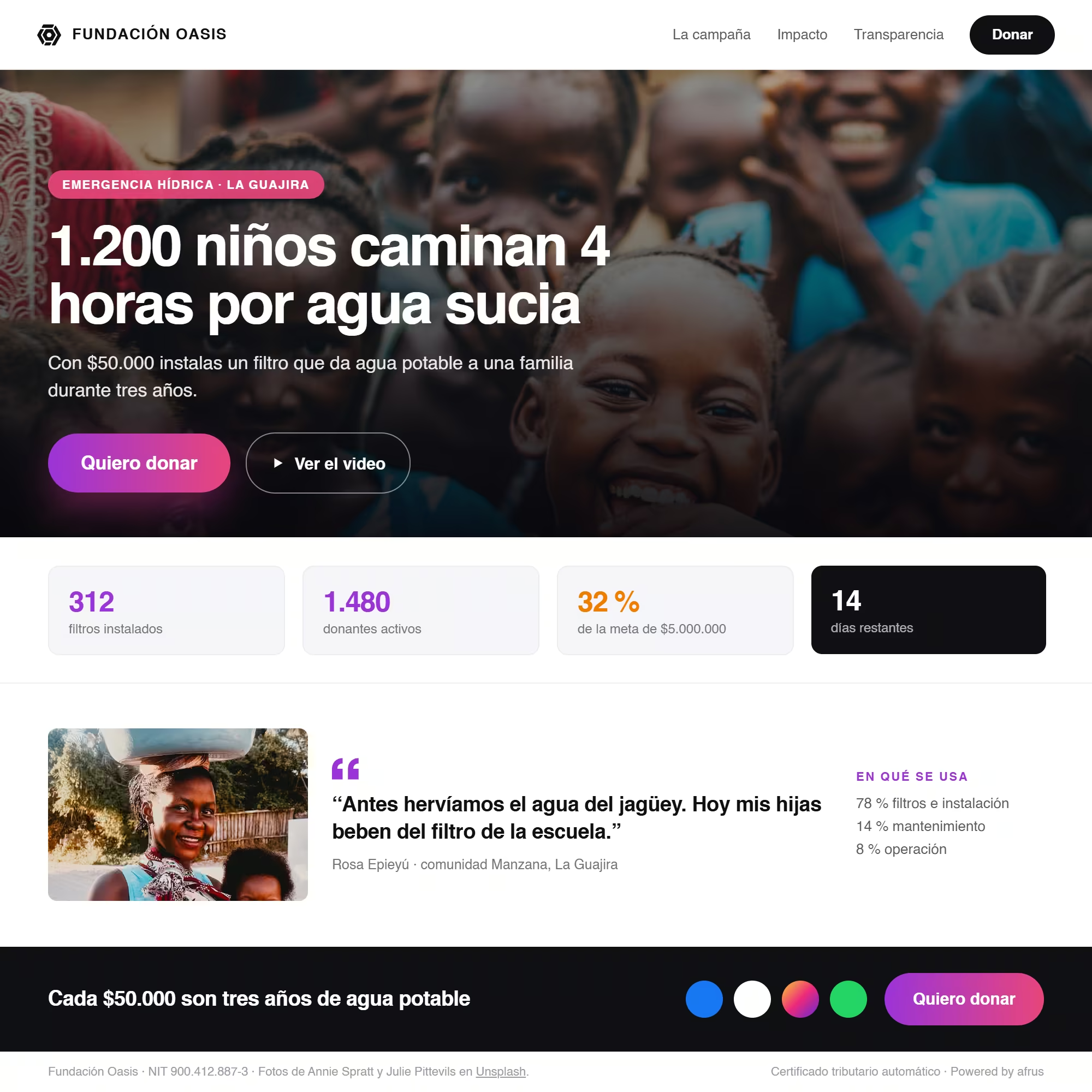
Your campaign's main message
The page where your cause comes to life


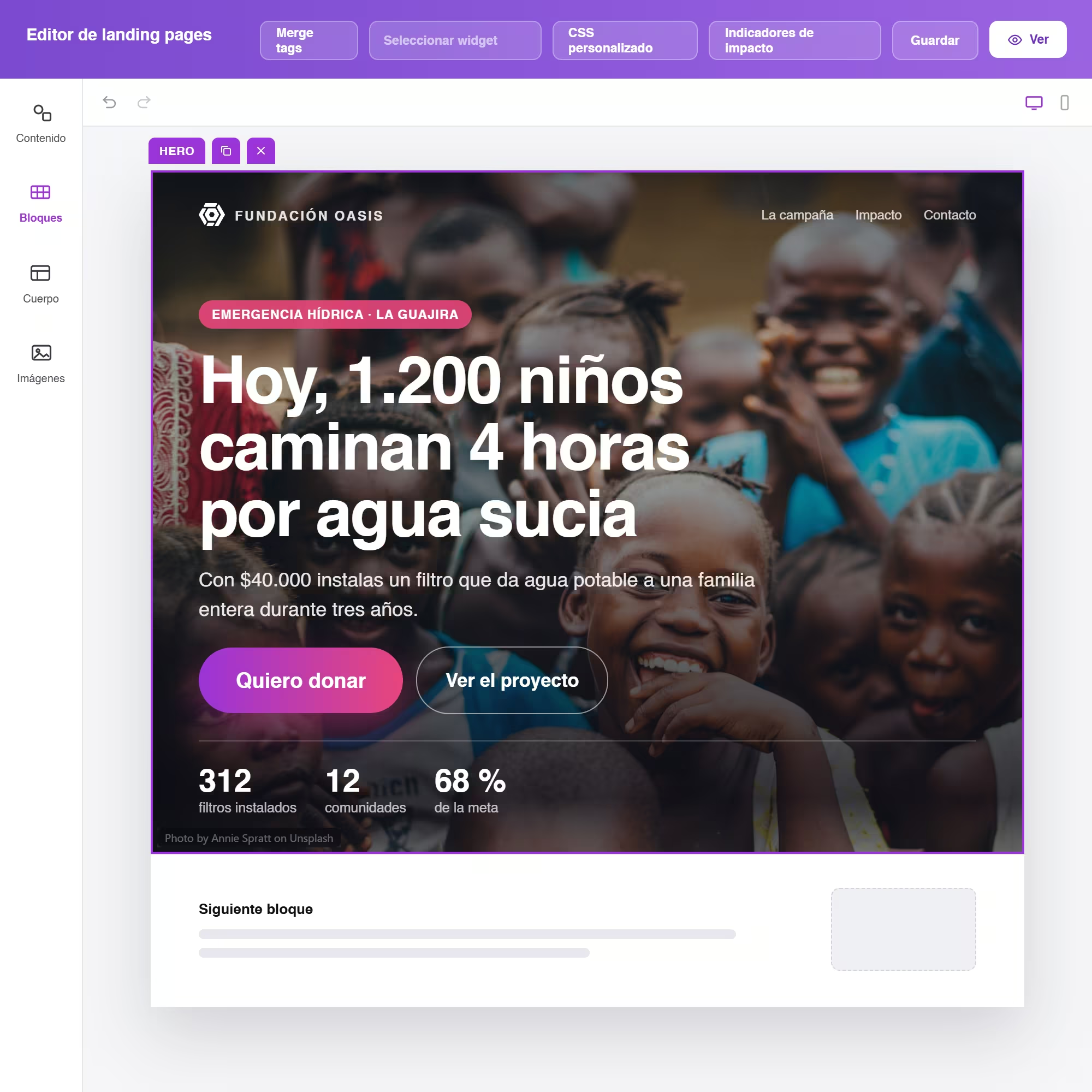
Go straight to the block builder and build your landing page from scratch, with total freedom.
.avif)
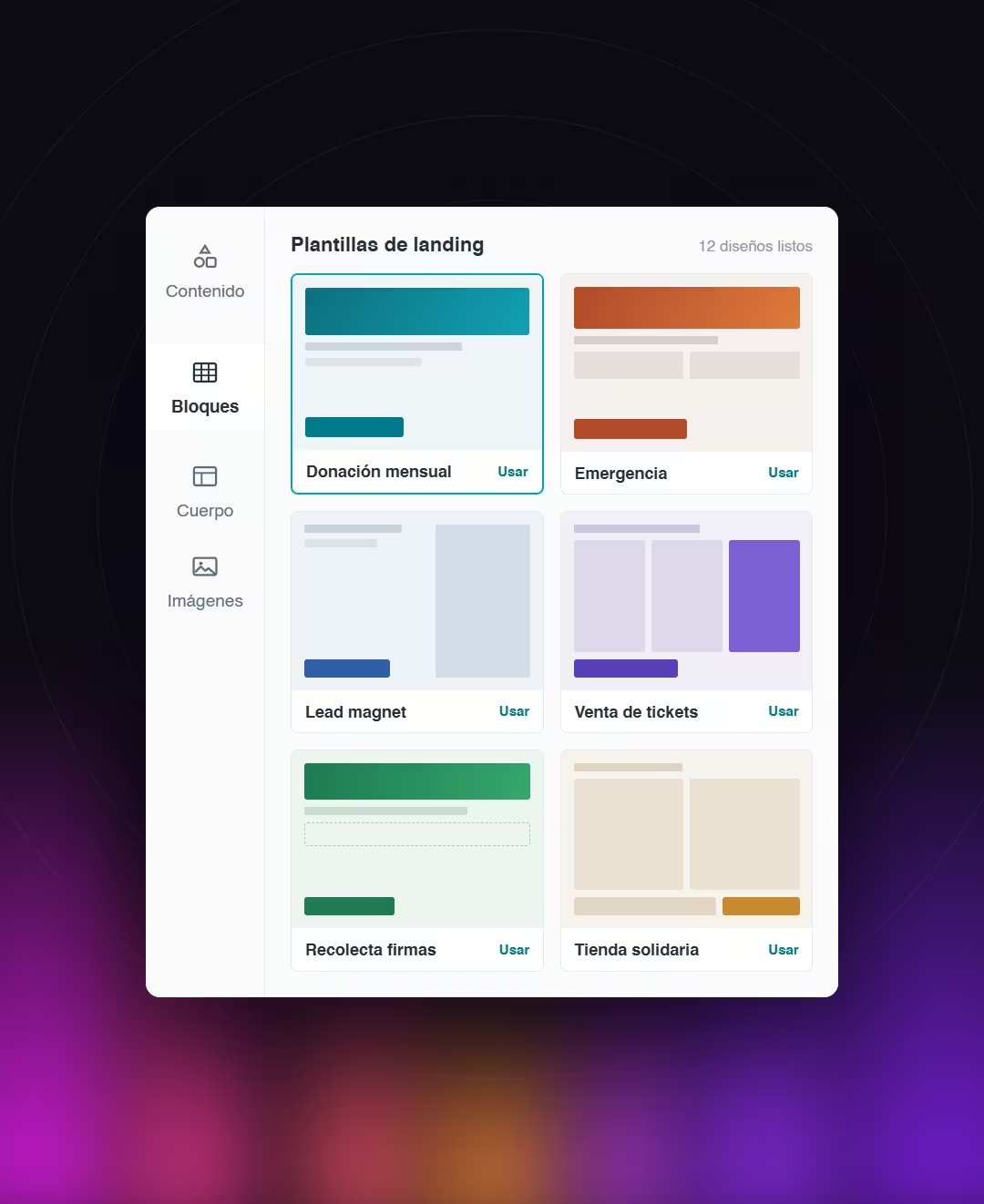
Choose a pre-laid-out template from the gallery and edit it with the builder until it's yours.

Write your own code and afrus renders it exactly as is, for teams that prefer to build with code.


Your campaign's main message

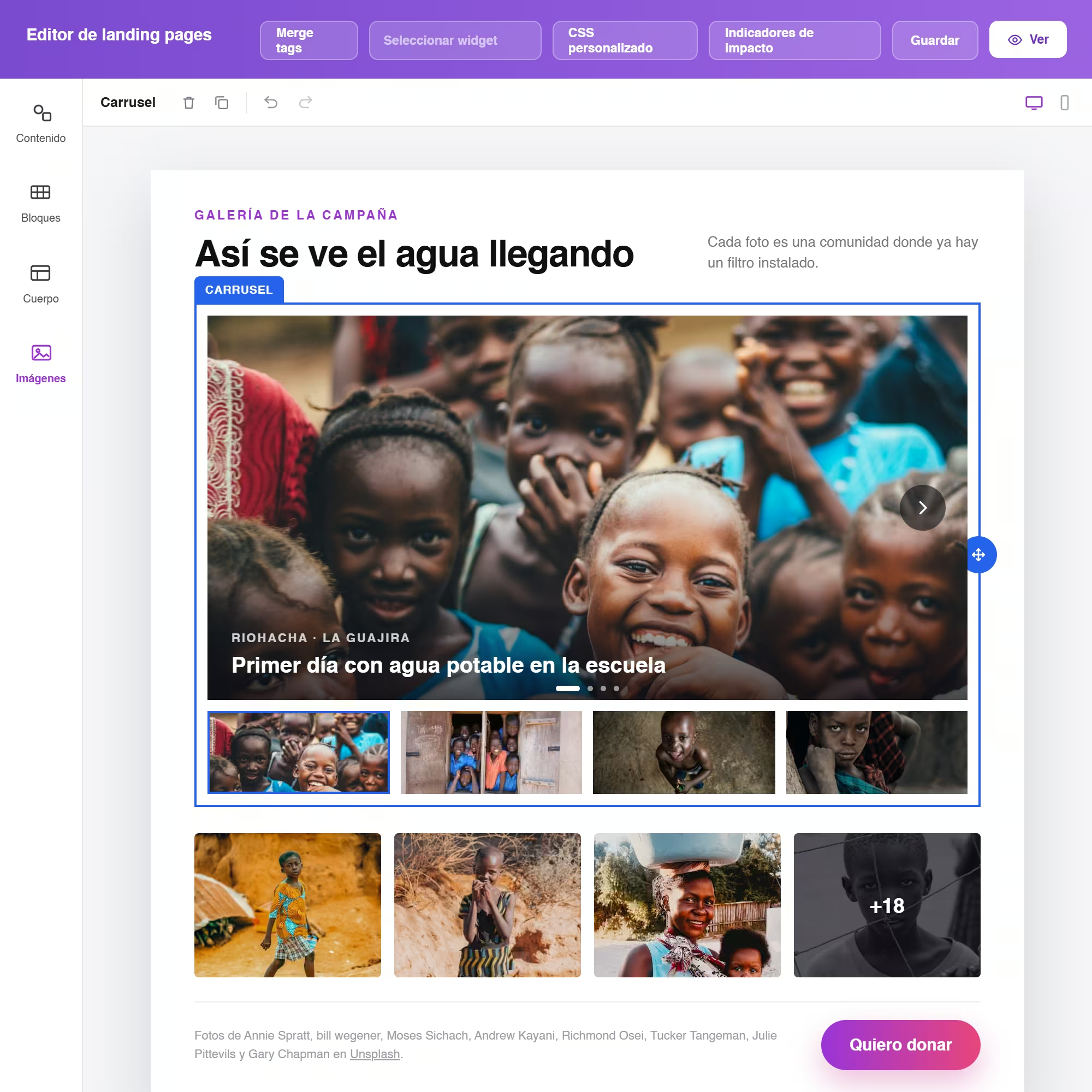
Photos that support your cause

An embedded campaign video


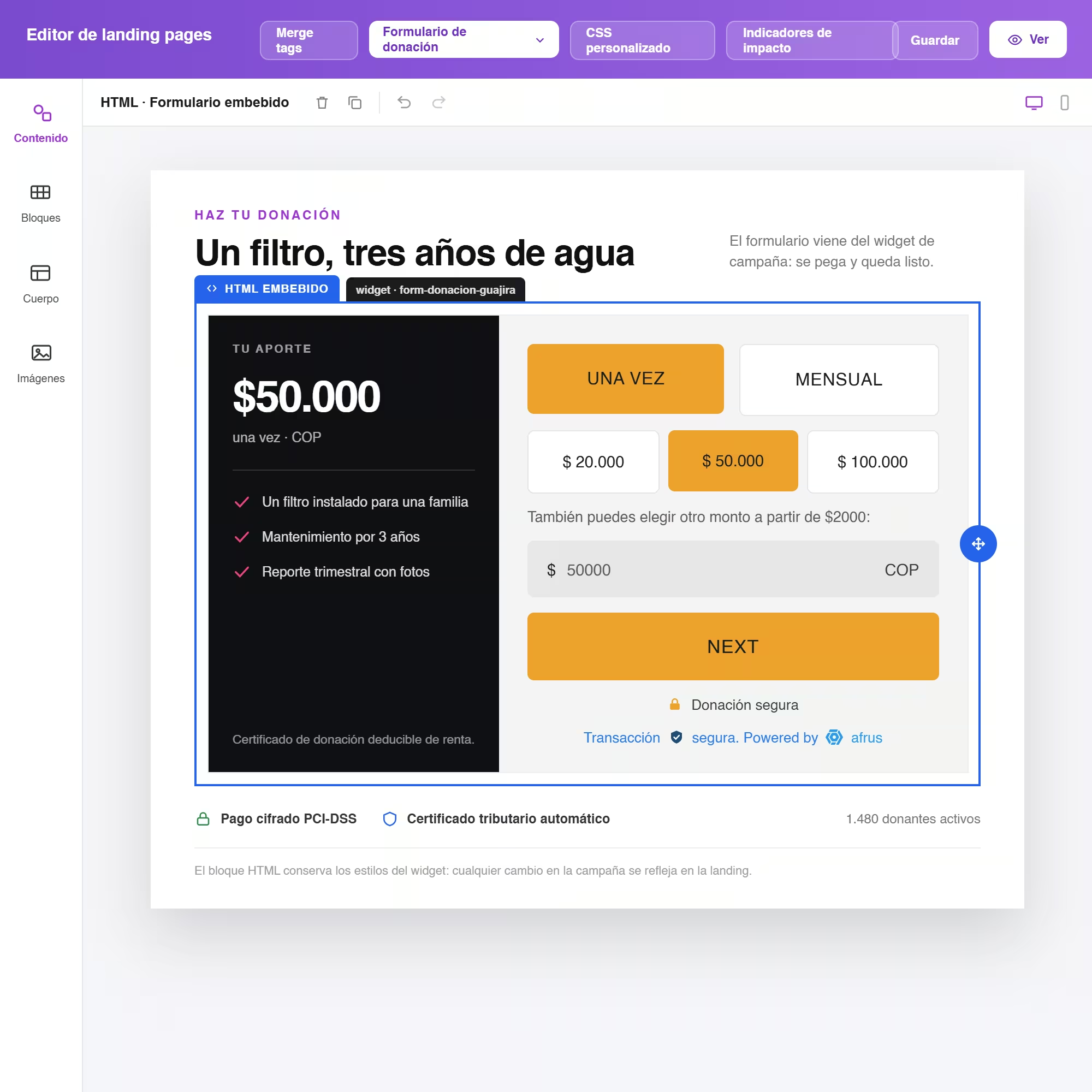
No. The landing page is the complete page (story, photos, video); the donation, registration, or product form is embedded within it in the block of your choice.
No. You can start with a pre-designed template and then edit it with the block builder, or build the entire page from scratch.
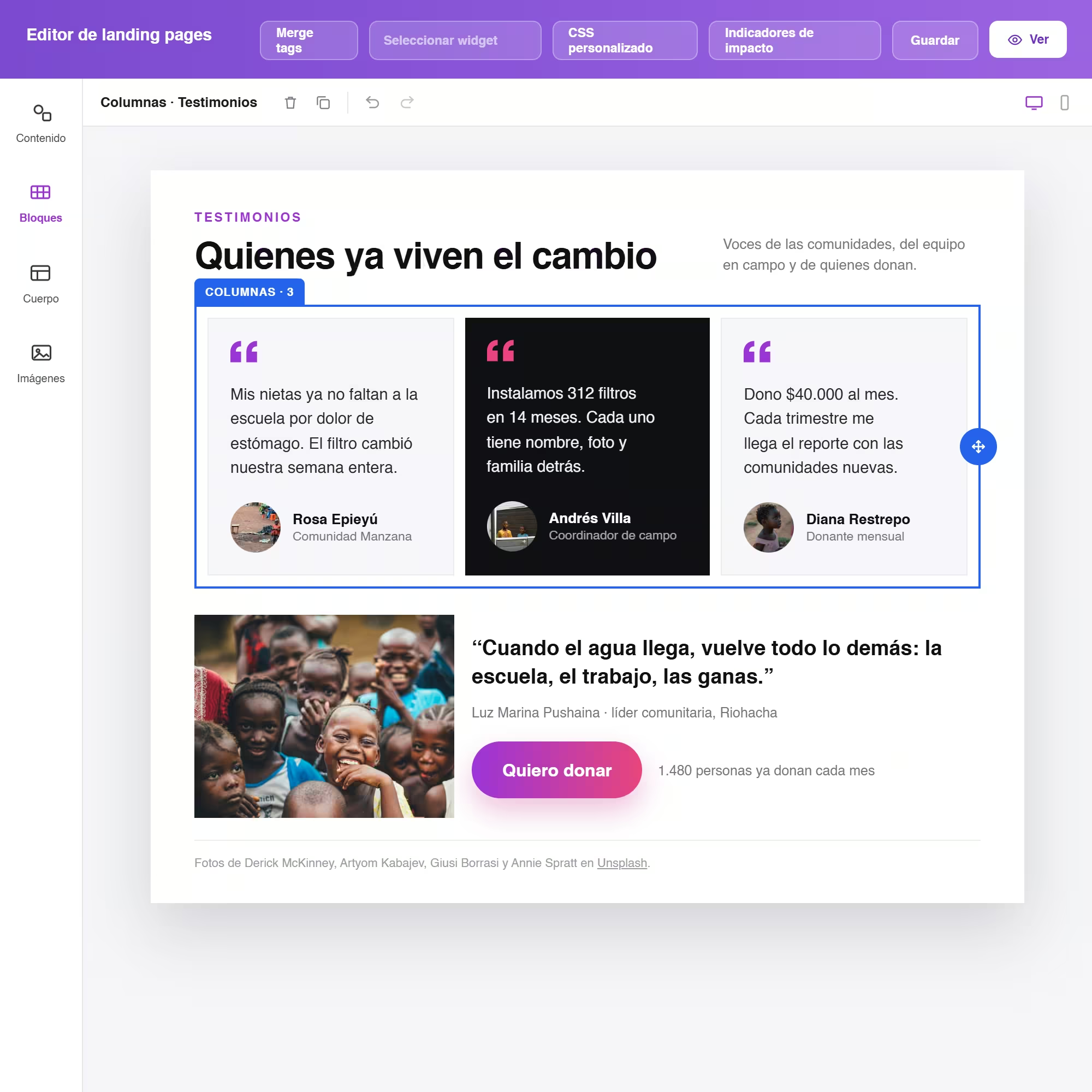
Yes. Donation, Lead, and Thank You pages share the same catalog of blocks (story, gallery, video, testimonials, goal, donors); what changes is which ones you combine and which form you embed.
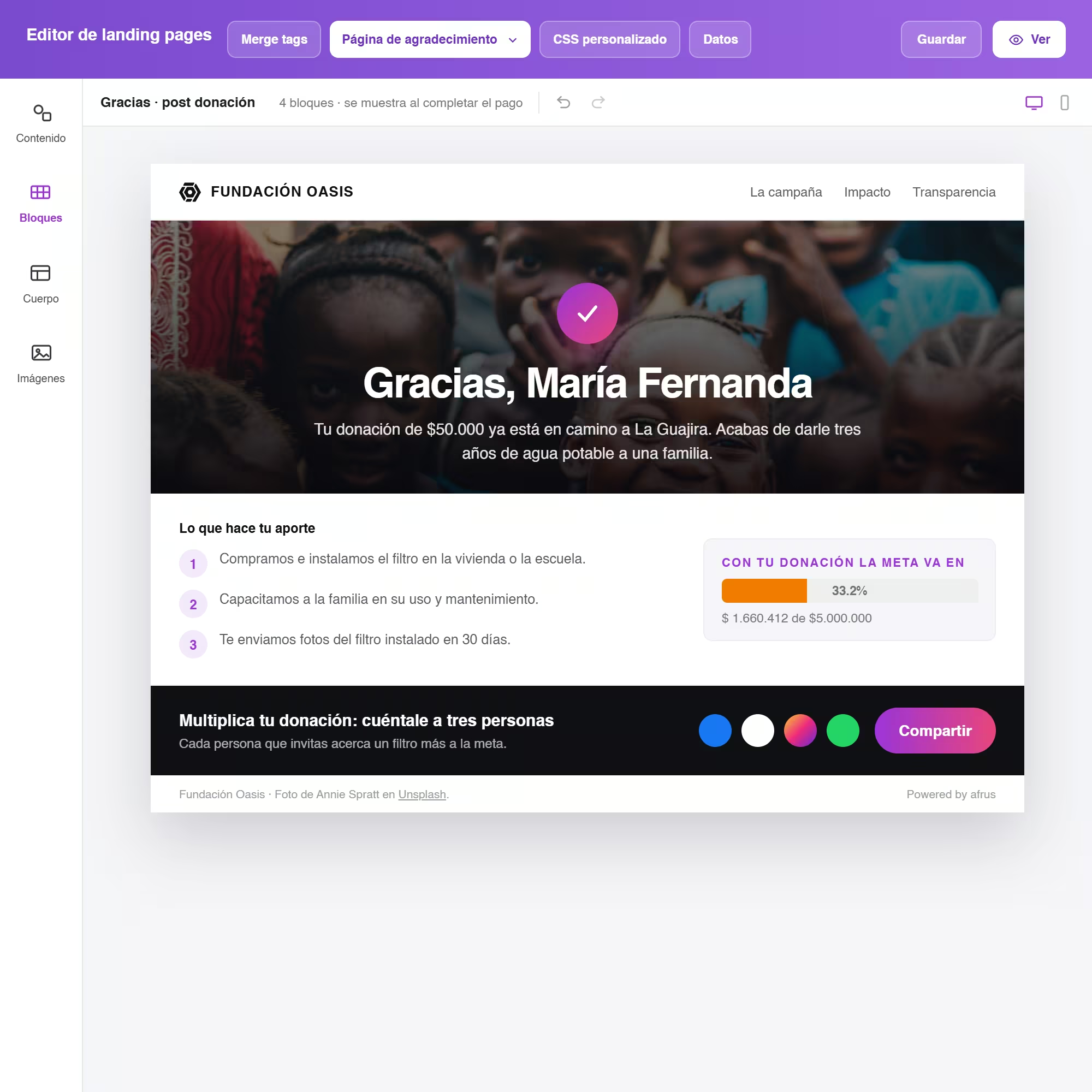
It is configured at the campaign level. Once someone completes the donation or registration form for that campaign, afrus automatically displays the configured thank-you landing page with the corresponding message.
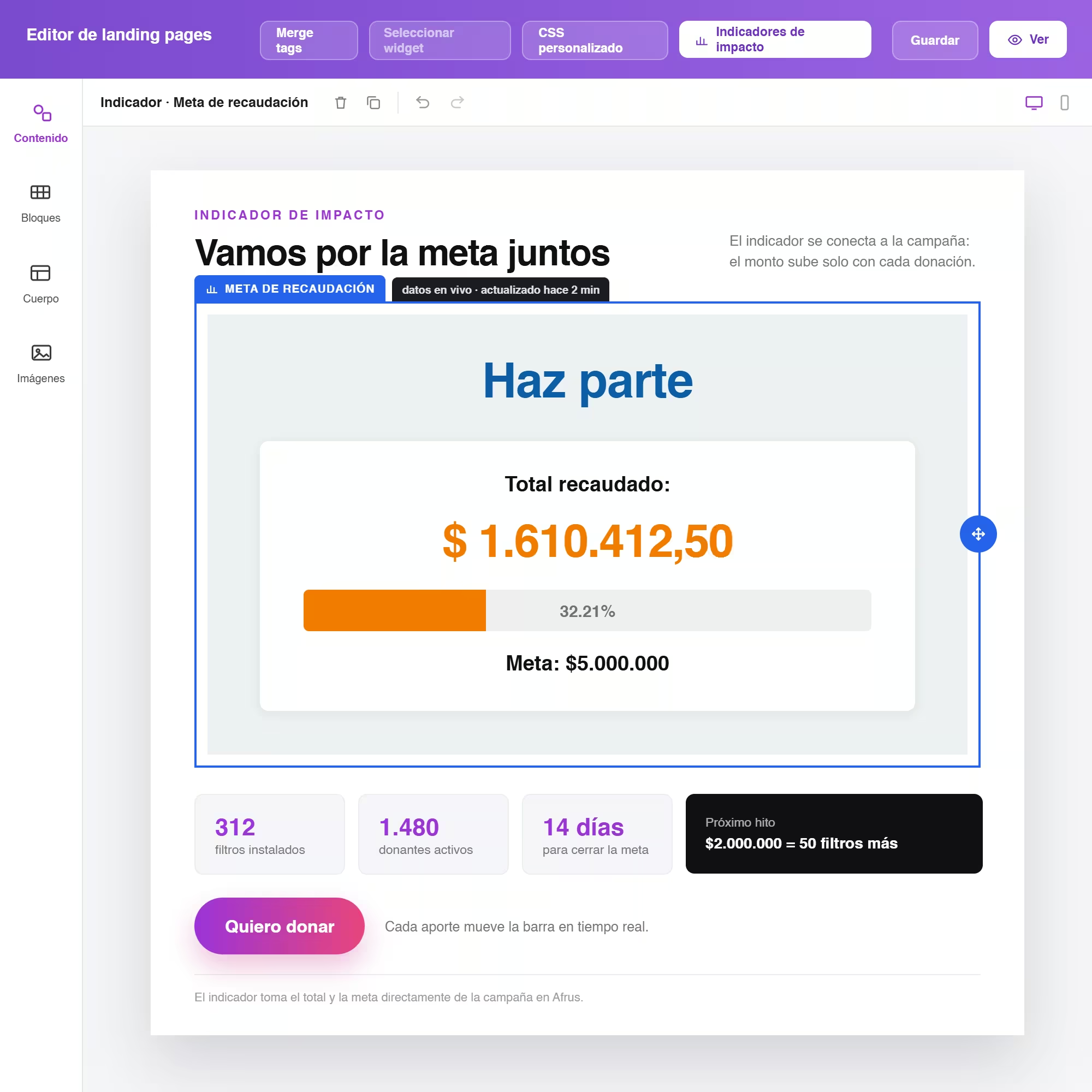
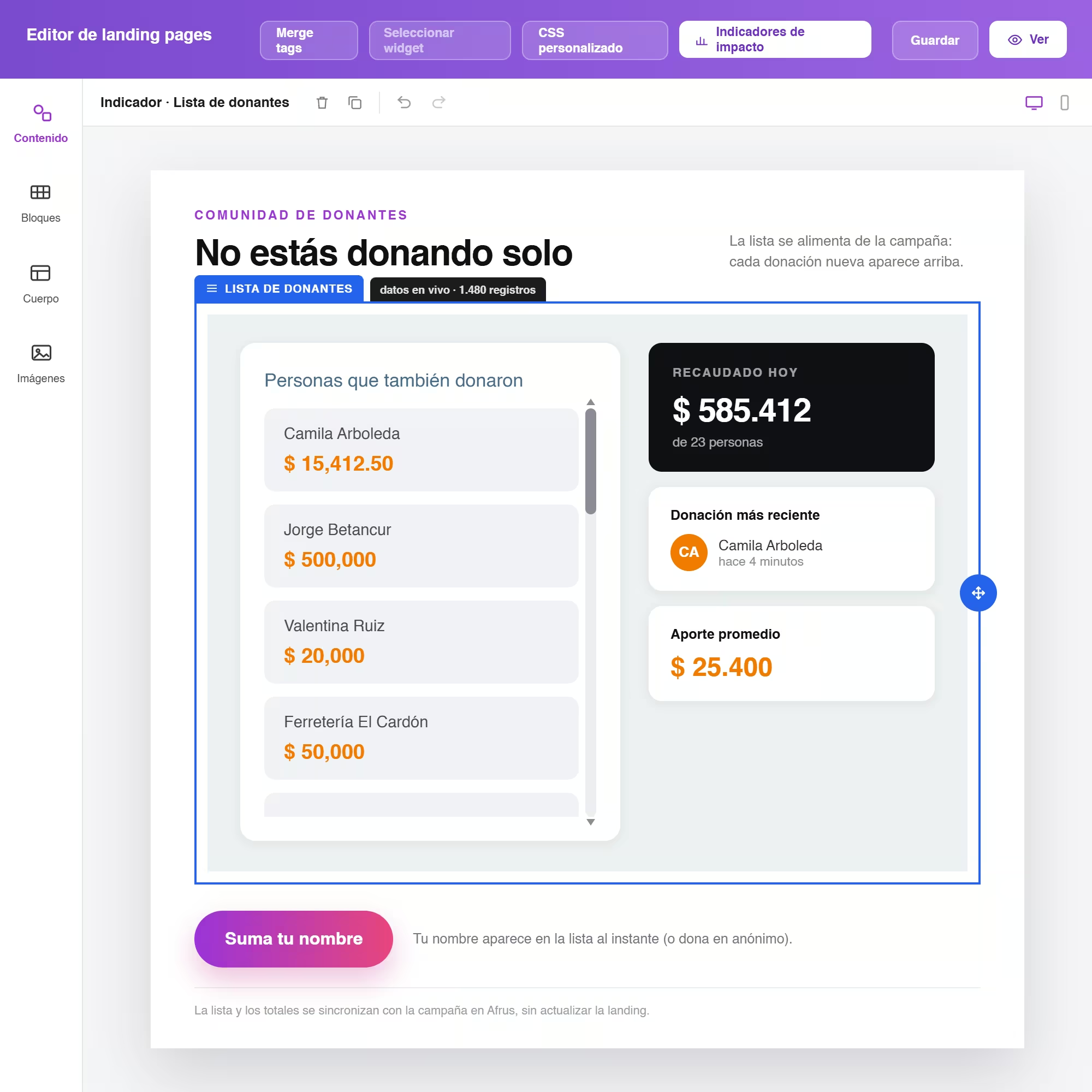
Yes. These are blocks available to add to any donation landing page, powered by real-time data from the embedded form.
The recommended method is AI-powered landing pages: you describe the context of your campaign, and it generates the entire landing page for you. You can also build from scratch in the editor, start from a pre-designed template, or write your own HTML and let afrus render it.
Yes. You define the domain, the path, and even the favicon for each landing page—it is a real, publishable page, not just content embedded in another site.
Yes, with Google Analytics, Tag Manager, and Facebook Pixel configurable independently for each landing page, plus built-in SEO settings (meta title, description, keywords, and featured image).
Yes, they are optimized for fast loading on both mobile and desktop, with no additional configuration required on your part.
Yes. afrus allows you to create A/B testing variants of the same landing page to compare which one converts better, letting you make decisions based on real data rather than intuition.